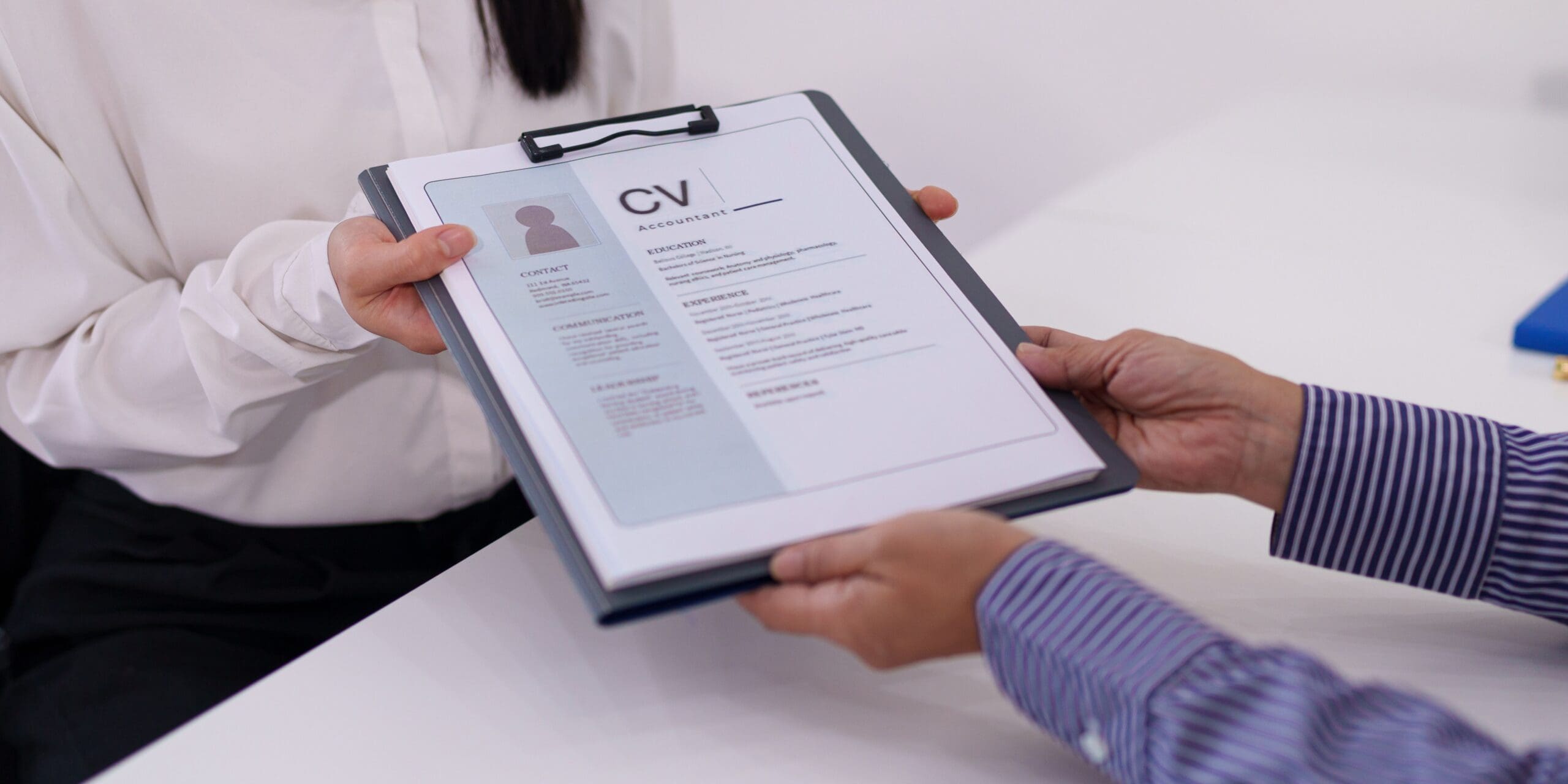
For decades, the CV has been at the centre of recruitment.
It provides a snapshot of a candidate’s career history, qualifications, responsibilities and achievements, helping employers decide who to invite for interview.
While the CV remains an important recruitment tool, its role is changing.
In 2026, employers are increasingly recognising that a CV tells only part of the story.
It shows where someone has worked.
It rarely shows how they work.
As recruitment evolves, organisations are placing greater emphasis on skills, behaviours, potential and cultural alignment alongside traditional experience.
The CV Has Always Had Limitations
Even the strongest CV has its limitations.
It is designed to summarise a career in just a few pages.
That means it cannot fully demonstrate qualities such as:
- Leadership style
- Communication skills
- Problem-solving ability
- Emotional intelligence
- Adaptability
- Curiosity
- Resilience
- Motivation
These qualities often determine whether someone becomes a high-performing employee, yet they are difficult to capture on paper.
Career Paths Are No Longer Linear
Traditional recruitment often assumes careers follow a predictable path.
School.
University.
Progressive promotions.
Increasing responsibility.
However, modern careers rarely look this straightforward.
Today’s professionals may:
- Move between industries.
- Take career breaks.
- Build portfolio careers.
- Work freelance.
- Upskill into entirely new disciplines.
- Combine technical and leadership responsibilities.
A CV may not immediately reflect the value these experiences bring.
Employers who rely solely on traditional career paths risk overlooking exceptional talent.
AI Has Changed How CVs Are Written
Artificial intelligence has made it easier than ever for candidates to improve the presentation of their CVs.
Many now use AI tools to:
- Refine wording.
- Improve formatting.
- Optimise keywords.
- Tailor applications.
- Highlight achievements more effectively.
These tools can help candidates communicate their experience more clearly.
However, they also mean that CVs are becoming increasingly polished and, in many cases, more similar in style.
As a result, employers should avoid making assumptions based solely on the quality of a written document.
A well-written CV should open the door to further assessment, not determine the final hiring decision.
The Rise of Skills-Based Recruitment
As explored in our article on Skills-Based Hiring, more organisations are moving away from rigid experience requirements and focusing instead on capability.
Rather than asking:
“Has this person done exactly the same role before?”
Hiring managers are increasingly asking:
“Can they succeed in this role?”
This shift encourages employers to consider transferable skills, learning agility and future potential.
Interviews Matter More Than Ever
If the CV is no longer the complete picture, what fills the gap?
Meaningful conversations.
Well-structured interviews allow employers to explore:
- How candidates approach challenges.
- Why they made certain career decisions.
- What motivates them.
- How they collaborate with others.
- How they learn from setbacks.
- How they think under pressure.
These insights cannot be gained from a CV alone.
Practical Assessments Provide Greater Confidence
Many organisations are also incorporating practical assessments into their recruitment process.
Depending on the role, this might include:
- Case studies.
- Presentations.
- Technical exercises.
- Problem-solving activities.
- Role-play scenarios.
- Portfolio reviews.
These assessments provide evidence of capability rather than relying solely on previous experience.
Recruitment Partners Look Beyond the Document
Experienced recruiters rarely judge candidates solely by their CV.
Instead, they consider:
- Career progression.
- Motivations.
- Long-term aspirations.
- Communication style.
- Market knowledge.
- Cultural fit.
- Potential for growth.
This broader understanding allows recruitment consultants to recommend candidates who may not appear to be the obvious choice on paper but who often become outstanding hires.
What Employers Should Do Differently
Rather than viewing the CV as the final word, employers should see it as the starting point.
Consider:
- Looking beyond job titles.
- Assessing transferable skills.
- Exploring career achievements in greater depth.
- Including practical assessments where appropriate.
- Structuring interviews to evaluate behaviours as well as experience.
- Working with recruitment specialists who understand the wider talent market.
These steps can significantly improve hiring decisions and reduce the risk of overlooking capable professionals.
Looking Ahead
The CV is not disappearing.
It remains a valuable tool for summarising experience and opening conversations.
However, it should no longer be the primary measure of someone’s suitability.
As technology evolves and careers become more varied, successful recruitment will increasingly focus on understanding the individual behind the document.
Employers who embrace this broader approach will gain access to wider talent pools, make more informed hiring decisions and build stronger teams.
How Bond Williams Can Help
At Bond Williams, we know that successful recruitment is about far more than matching keywords on a CV.
Our consultants take the time to understand each candidate’s skills, motivations and long-term potential, ensuring employers are introduced to professionals who can make a genuine impact.
Because the best hiring decisions aren’t made by reading a CV.
They’re made by understanding the person behind it.