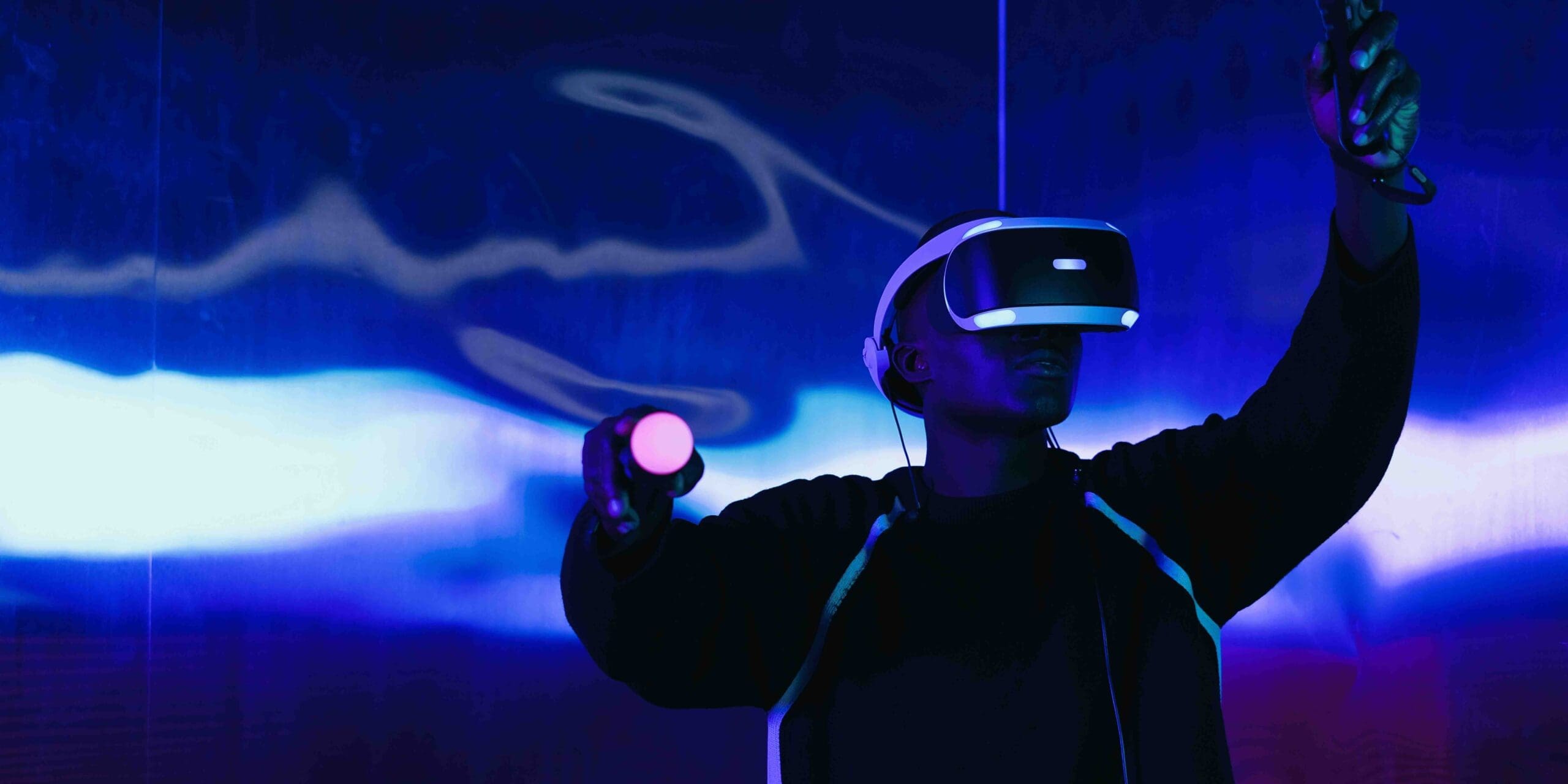
Virtual reality (VR) is no longer science fiction; it’s a powerful tool that can create immersive digital environments and learning experiences beyond conventional onboarding videos. Instead of having new hires watch a series of videos, imagine placing them directly into a virtual workplace. They can explore, interact, and learn by doing.
What are the Benefits for New Hires
- Familiarisation: VR allows new employees to experience their job tasks before actually performing them. They can navigate the office, interact with virtual colleagues, and learn company processes.
- Retention: Immersive experiences can enhance information retention. When a new hire, steps into a virtual customer-facing role, she can absorb knowledge more effectively.
Real-Life Examples
- Safety Training: VR can simulate hazardous scenarios (e.g., emergency evacuations, handling chemicals) without real-world risks.
- Technical Skills: Mechanics can practice complex repairs virtually, reducing errors during actual maintenance.
- Soft Skills: Sales reps can engage in lifelike customer interactions, improving communication and empathy.
Streamlining Processes
- Efficiency: VR can accelerate learning, reducing training time and costs.
- Consistency: Every employee can receive the same high-quality training.
- Engagement: Interactive simulations keep learners engaged and motivated.
Creating a Safer Workplace
- Practice Makes Perfect: VR can allow employees to practice safety protocols without endangering themselves or others.
- Emergency Preparedness: Fire drills, evacuation procedures, and crisis management can become more effective.
Technological Requirements and Considerations
- Hardware and Software: Investing in VR headsets, compatible software, and reliable infrastructure is crucial.
- IT Support: Ensure that your IT team is equipped to handle the integration and maintenance of VR systems.
- User Training: Employees need training on how to use VR equipment effectively.
Potential Challenges
- Cost: Initial setup can be expensive. Evaluate the return on investment by considering long-term savings in training costs.
- Accessibility: Not all employees may be comfortable with VR technology. Provide alternatives or additional support as needed.
- Content Development: Creating VR training content requires expertise and resources. Collaborate with specialists to develop high-quality simulations.
Future Trends and Innovations
- AI Integration: Combining VR with artificial intelligence can provide personalised learning experiences and real-time feedback.
- Remote Training: VR makes it possible to train employees remotely, bridging geographical barriers.
- Gamification: Incorporating game-like elements into VR training can further enhance engagement and motivation.
Incorporating VR into onboarding and training isn’t just a new innovation it may become essential for preparing a skilled, confident workforce.