Leadership goes far beyond managing tasks and hitting deadlines. Modern leaders must inspire, motivate, and unite diverse teams while navigating complex interpersonal dynamics. At the heart of this ability lies emotional intelligence (EI), the skill that often separates great leaders from the rest.
Emotional intelligence is the capacity to understand and manage your own emotions while also recognising and responding to the emotions of others. For leaders, this is not just a desirable trait, it’s essential for organisational success.
- Understanding Emotional Intelligence
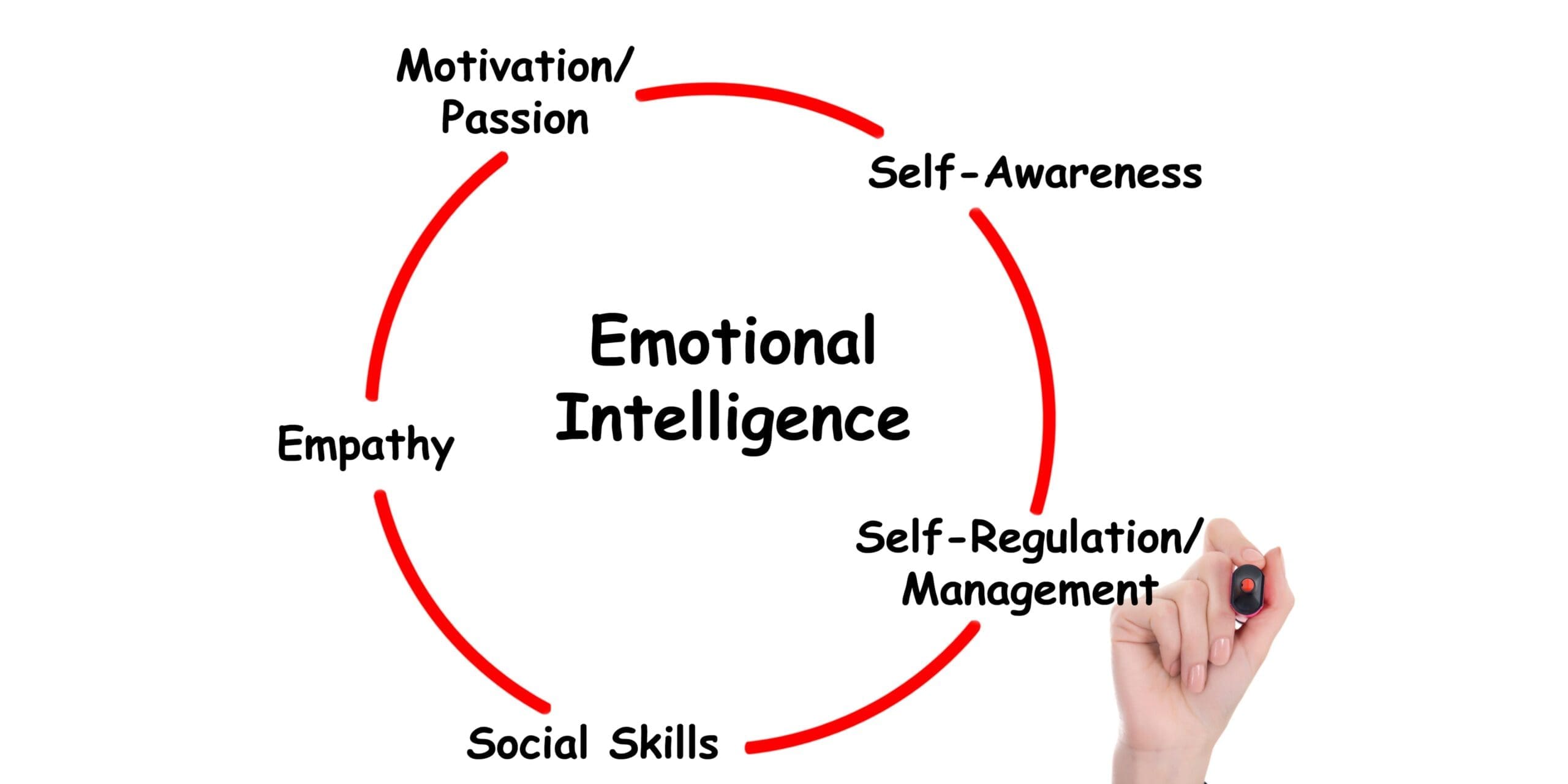
Emotional intelligence is built on five key components:
-
- Self-Awareness – recognising your own emotions and how they affect others. Self-aware leaders know their strengths, acknowledge weaknesses, and welcome feedback.
- Self-Regulation – managing impulses and emotions under pressure. Leaders with this skill stay calm and composed, even in crises.
- Motivation – having passion and drive that go beyond status or pay. Motivated leaders set ambitious goals and inspire their teams to do the same.
- Empathy – understanding others’ perspectives and emotions. Empathetic leaders create stronger connections and deeper trust.
- Social Skills – building networks, leading change, and resolving conflict. Leaders with strong social skills inspire collaboration and teamwork.
- Enhancing Team Performance
Leaders with high emotional intelligence create environments where people thrive.
-
- Conflict Resolution: By listening with empathy and addressing issues constructively, they reduce friction and build understanding.
- Team Cohesion: Recognising emotional needs fosters belonging and unity, leading to more engaged, cooperative teams.
When employees feel valued and supported, their productivity and job satisfaction rise.
- Driving Innovation and Change
Change can be daunting, but emotionally intelligent leaders make it manageable.
-
- Inspiring Vision: They communicate a purpose that resonates with their teams, motivating people to embrace new ideas.
- Adaptability: Their openness to experimentation and resilience in the face of setbacks encourages innovation and continuous improvement.
By balancing stability with flexibility, these leaders create a culture where creativity flourishes.
- Building Trust and Loyalty
Trust is the cornerstone of leadership and EI is how leaders earn it.
-
- Transparency & Integrity: Honest communication and consistent actions build credibility.
- Empathetic Listening: By actively listening and responding to concerns, leaders strengthen relationships and show genuine care.
This trust fosters loyalty, leading to long-term commitment and reduced turnover.
- Improving Decision-Making
Decisions aren’t just logical, they’re emotional too. Leaders with strong EI:
-
- Weigh both rational and emotional factors for balanced outcomes.
- Manage stress effectively to keep decision-making clear and objective.
This balance ensures choices are thoughtful, sustainable, and widely supported.
The importance of emotional intelligence in leadership cannot be overstated. Leaders who cultivate EI not only enhance team performance but also drive innovation, build trust, and make smarter decisions.
In an era where workplace culture and employee engagement are critical, emotionally intelligent leadership is not just an advantage, it’s a necessity. By investing in EI, organisations can build resilient, motivated, and high-performing teams equipped for long-term success.