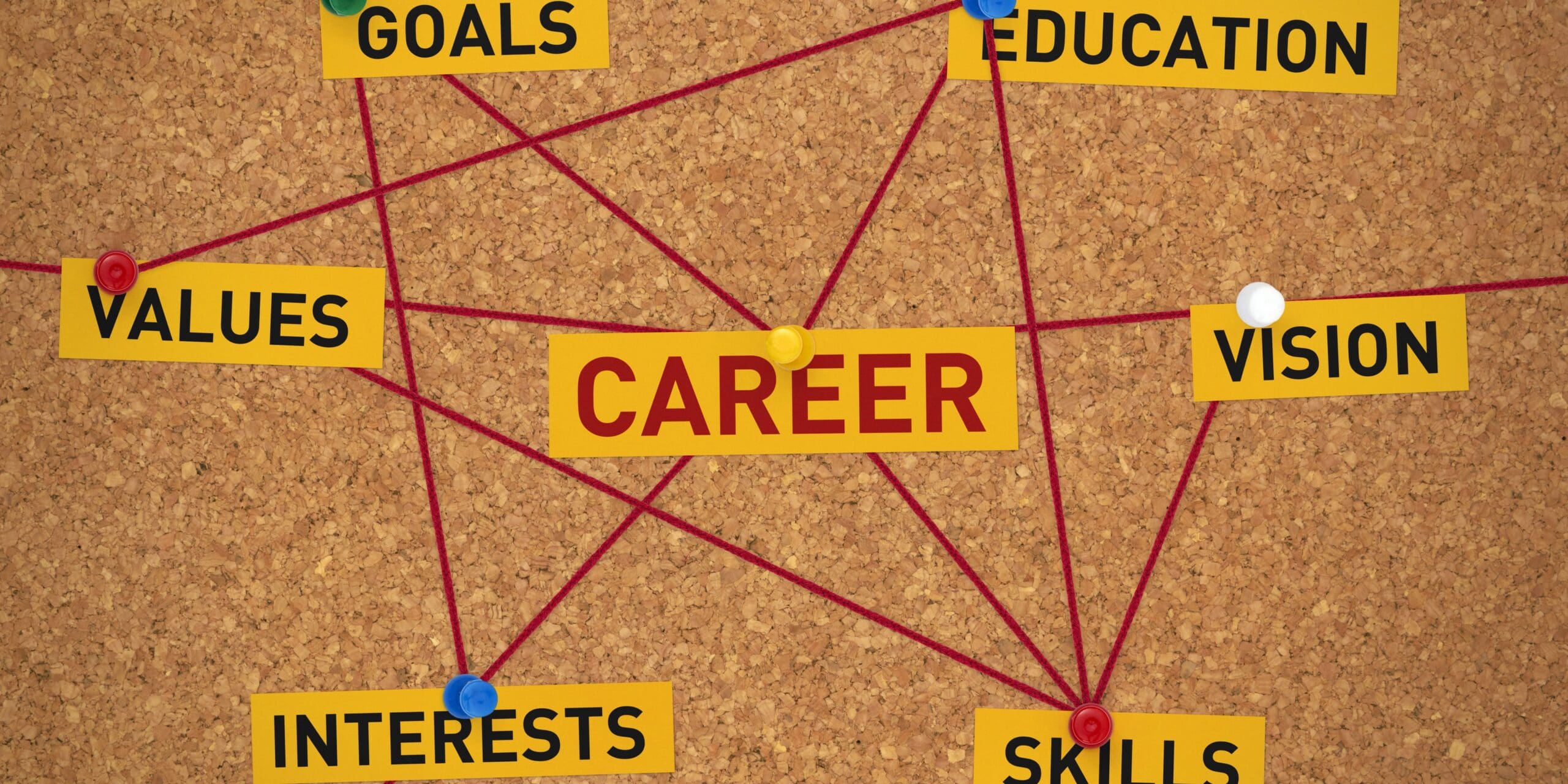
Most people treat their next job as the final destination. But real career advancement happens when you look beyond that. Career mapping helps you set long-term career goals that keep your professional development on track. This guide will show you how to think bigger and plan smarter for what’s ahead.
Crafting Your Career Map
Creating a career map isn’t just about reaching the next job milestone. It’s about envisioning your long-term journey and ensuring every step aligns with your overarching goals. How do you craft a map that guides your career trajectory effectively.
Defining Career Goals
Setting long-term career goals is crucial for your success. It’s like having a compass that guides your professional path. First, think about where you want to be in five or ten years. Imagine your dream role. Once you have this in mind, break it down into smaller, actionable steps.
Consider the skills and experiences you’ll need for each step. For example, if you aim to lead a team, you might need to develop managerial skills. Look for opportunities to practice these skills, whether through formal training or real-world experience. Remember, your goals should be specific, measurable, and achievable. This clarity ensures you stay focused and motivated.
Most people think setting goals is a one-time task, but it’s ongoing. As you grow and the industry evolves, your goals might need adjusting. Stay flexible and revisit them regularly to ensure they still align with your vision.
Strategies for Goal Setting
With your goals in mind, it’s time to plan how to achieve them. Start by prioritising which goals to tackle first. This helps you focus your efforts and resources effectively. Make a list of actionable steps for each goal. Number them to keep track of your progress.
- Identify Resources: What tools or contacts can help you achieve your goal?
- Set Deadlines: Assign realistic timelines to each step to stay on track.
- Track Progress: Keep a journal or digital tracker to monitor your advancement.
Pattern breaks are vital. They challenge the notion that you must follow a linear path. Sometimes, taking a lateral move can provide the experience needed for future roles. Embrace unexpected opportunities, they might lead to growth you hadn’t anticipated.
Focusing on Professional Development
Professional development is your secret weapon for career advancement. It involves learning new skills and gaining experiences that make you valuable in your field. Start by identifying areas where you need improvement. This might be technical skills or soft skills like communication.
Engage in activities that challenge you. Attend workshops, take online courses, or seek mentorship. Each of these can provide fresh perspectives and enhance your expertise. For instance, learning a new software could increase your productivity by 30%, making you a more competitive candidate.
Most people think they should only focus on skills directly related to their job. But broadening your skill set can open doors to unexpected opportunities. Don’t shy away from areas that seem unrelated at first glance, they might be the key to future success.
By crafting a comprehensive career map, setting clear goals, and focusing on professional development, you’re not just preparing for your next role. You’re setting the stage for ongoing career success. Keep these strategies in mind as you navigate your professional journey, ensuring each step is purposeful and aligned with your long-term vision.