
 Leadership and Strategy
What inspired you to pursue a career in human resources, and how has your journey shaped your leadership style?
I have always been interested in people, and studied Psychology as part of my degree. I am intrigued with what motivates people, how different types of communication impact them, how to engage them, how you can never predict someone’s reaction, and how everyone is different.
My leadership style is authentic and collaborative. I believe in leading with compassion, clarity, respect and honesty. I don’t shy away from tough conversations, but I approach them with humanity. I aim to be a leader who brings people together, listens more than I speak, and helps others find solutions rather than tell them what to do.
Can you share a significant challenge you faced in your career and how you overcame it?
One of the biggest challenges in my HR career has been navigating the emotional rollercoaster that often comes with the role. Having to lead tough and sensitive conversations – whether it’s addressing performance issues, managing conflict, or supporting someone through redundancy or bereavement – requires a steady hand and a composed mindset. There have been moments where I’ve had to hold back my own emotions to remain professional, even when situations were deeply personal or difficult.
Over the last few years, though, I’ve embraced a more authentic approach with colleagues. I’ve learned that showing I’m human too, acknowledging my own emotions in the right way, and leading with empathy has not only made me more resilient, but has also strengthened the trust and relationships I have with others. Authenticity has become one of the most powerful tools in how I connect, support, and lead.
How do you align HR strategies with the overall business goals of the company?
I would first make sure I understand the company and where it is headed, including its vision, goals, values, and the challenges it expects to face.
To achieve this, I would work with the Leadership Team to complete a People & Organisation Review, consisting of a structure review, people matrix, succession planning, and identifying strengths and areas for development and change through the business. I would also review the company’s priorities and goals.
It is really important for a company strategy to encourage collaboration across the company, not have departments working on their specific areas in silos.
Therefore, to create a HR strategy, I would use all this information to build relevant people-focused objectives which could involve developing people, restructuring, recruitment, leadership development programs, strengthening performance frameworks, or shaping a culture that enhances innovation, accountability, engagement, and motivation.
Every people objective would be SMART (specific, measured, achievable, relevant and timed) and would serve a purpose that moves the business forward. I love to use visual management techniques to communicate the achievement of these objectives to the business throughout the year, so everyone is aware of how the people strategy is adding value, and helping the business achieve its goals. I would encourage all other teams to do this too.
Talent Management and Development
What are the key qualities you look for when hiring new employees?
When hiring new employees, although experience, skills and qualifications are important, I believe the character of the candidate is also key, including integrity, accountability, communication, collaboration, self-awareness, empathy, resilience, honesty and motivation. The individual needs to ‘fit’ in the business, align with the company’s values and needs to show that they genuinely want to contribute to the success of the business.
What strategies do you use to attract and retain top talent in a competitive market?
To attract top talent, I would use my network and my client’s network to establish whether there are any key individuals in the industry who we would like to recruit and I would make contact with them. If this is not an option, I would either advertise the role and recruit directly via tailored job boards, social media, employee referral schemes, or I would contact a reputable recruitment agency who specialises in the role I am recruiting for.
The employee’s experience from the first contact must be a positive one and must reflect the employer’s brand and culture. I therefore focus on ensuring the recruitment process and onboarding are engaging, informative, welcoming, and make the candidate or new employee feel valued.
In order to retain employees, I focus on engagement and two-way communication strategies such as staff surveys which are followed up, regular check-ins, development opportunities and an overall culture where the team feel heard and supported. I have been lucky to work with some great companies where the team genuinely want to stay and thrive due to the culture and what the company stands for.
How do you ensure continuous professional development for employees at all levels?
Continuous professional development should be available to all employees, not just senior roles. There are a few tools I use to identify training needs/aspirations such as the People and Organisation Review mentioned earlier, including relevant questions in the Appraisal process and through regular manager check-ins.
I then create a Training Needs Analysis to summarise the company’s requirements. This also help establish the training priorities. These can be fulfilled using a variety of methods which I would research and propose
I also enjoy designing and delivering training courses such as communication, time management, people management, and can offer these to all employees within a business. I can also tailor these types of courses to the business, and address specific concerns or difficulties being faced.
Diversity, Equity, and Inclusion
What initiatives have you implemented to promote diversity, equity, and inclusion within your organisation?
To actively promote diversity, equity, and inclusion (DEI) within a previous company, we took a strategic and collaborative approach by implementing several key initiatives:
Established a DEI Focus Group
We created a dedicated DEI focus group made up of employees from diverse backgrounds and roles. This group met regularly to share insights, drive ideas, and help shape our DEI strategy to ensure it reflected the real experiences and needs of our people.
Gained Leadership Commitment and Defined Our DEI Mission
Senior leadership committed to embedding DEI at the heart of our organisational culture. We developed a clear DEI mission statement that was signed by our Leadership team. The statement outlined our goals and underpinned all related initiatives. This helped drive accountability and reinforce the importance of inclusive values at every level of the business.
Set Metrics and Targets
We tracked and measured progress using key metrics related to recruitment, representation, progression, and engagement. We also set specific targets to improve representation of underrepresented groups, ensuring we moved from intention to action.
Revised Recruitment Messaging and Channels
To attract a more diverse pool of candidates, we updated all recruitment materials to include our Equal Opportunities Policy statement. We also used a variety of inclusive recruitment channels to broaden our reach, including community job boards, social media, and partnerships with organisations that support diverse talent.
Inclusive Training and Development
All employees, including leaders and hiring managers, completed a selection of training sessions to build awareness and provide them with skills to enhance our inclusive environment. We also provided ongoing learning opportunities focused on unconscious bias, inclusive leadership, and allyship.
Recognising and Celebrating Awareness Days
We regularly acknowledged and celebrated key awareness days and cultural events across the year. These moments provided opportunities for education, reflection, and celebration, helping to create a more informed and respectful workplace culture.
What advice would you give to other HR leaders looking to improve their DEI strategies?
The most important starting point for any DEI strategy is gaining genuine leadership involvement and commitment. Business leaders must go beyond simply endorsing initiatives – they need to actively participate in them. Their visible engagement signals that DEI is a core business priority, not just an HR initiative.
It’s also essential to recognise that DEI is not a one-time project or a checklist of activities. It is an ongoing journey that requires continuous reflection, regular reviews, and the flexibility to adapt as your business evolves. What works today may not be effective tomorrow, so staying responsive and open to change is critical.
Successful DEI initiatives require a shift in mindset across the organisation – a cultural change that embeds inclusion into every aspect of the employee experience.
We also need to remember that progress often comes in small steps. Every action, no matter how trivial it may seem, contributes to building a more inclusive workplace and will be a step in the right direction.
Employee Engagement and Well-being
How do you keep employees engaged and motivated, especially in a remote or hybrid work environment?
Communication is key in remote and hybrid settings, and it must be clear, consistent, and two-way. Regular check-ins, feedback opportunities, and team sessions help people feel connected and supported. While remote work empowers employees with autonomy, it’s vital they don’t feel isolated.
Company-wide or team meetings are also essential. They help keep everyone aligned, provide space to recognise achievements, and reinforce the organisation’s goals and vision. Together, these efforts enhance a sense of belonging and ensure employees feel valued, wherever they are.
What strategies do you use to promote employee well-being and work-life balance?
Valuing employee well-being can create a passionate, engaged, healthy team who feel supported both personally and professionally.
Some strategies I use to enhance employee well-being and work-life balance are:
Flexible working options: These can include remote, hybrid and flexible hours, enabling employees to manage their work around personal commitments, while ensuring the business operations continue and business goals are achieved.
Regular check-ins: These can be open conversations between managers and employees around workload, wellbeing, experiences, struggles. This can help a manager identify any concerns early on and provide guidance and help as required, and a safe space for an employee to speak honestly and ask for help without judgement.
Access to well-being resources: A number of businesses I have worked in have provided access to EAPs (Employee Assistance Programmes) which are reasonably priced resources that offer employees confidential advice on various subjects, along with a telephone counselling service. I have also facilitated in-house campaigns, including ‘Time to Talk’, yoga sessions, mindfulness sessions, etc. to raise awareness of the importance of self-care and wellbeing.
Encouraging Breaks: I am an advocate of taking breaks, even if it is just 20 minutes to get some fresh air, go for a walk, talk to colleagues. Taking a break tends to make you more productive so is much better than struggling to power through the day without a break.
Can you share an example of a successful employee engagement initiative?
A key employee engagement initiative I have implemented involved conducting an employee engagement survey to better understand the needs, concerns, and ideas of the team.
The process began with an anonymous survey covering a wide range of topics, including communication, leadership, workload, well-being, and organisational culture. Once the data was collected, we conducted a detailed analysis to identify common themes, areas of strength, and opportunities for improvement.
To gain deeper insight, we established a cross-functional focus group made up of employees from various departments and levels. This group helped us explore the survey findings in more detail, validate the data, and develop ideas for positive change.
From this, we created a clear and measurable action plan, prioritising the key areas identified by employees – such as improving internal communication, enhancing recognition, arranging social events, and strengthening development opportunities.
We secured leadership buy-in early in the process by presenting the findings and proposed actions, ensuring that senior leaders were not only supportive but also visibly involved in driving the changes forward.
To maintain trust and transparency, we implemented regular communication updates, including an initial presentation, followed by regular team briefings, to share progress, highlight quick wins, and show employees that their voices were being heard and acted upon.
This initiative significantly boosted engagement levels, fostered a culture of openness and collaboration, and helped create a stronger connection between employees and leadership.
Leadership and Development
What are the key challenges in developing effective leadership within the organisation?
One of the biggest challenges is recognising that not everyone is suited to be an effective leader. People are often promoted into leadership roles based on technical expertise or length of service, rather than on the behaviours, emotional intelligence, and mindset required to lead others successfully.
Leadership development is experiential. People often grow into leadership roles by doing the job, which means their capabilities may only become evident once they’re already in position. That’s why it is essential to have a structured and supportive development plan in place from the outset. This plan should be co-owned by both the new leader and their manager, reviewed regularly, and adapted to the individual’s strengths, gaps, and preferred ways of learning.
Another key challenge is helping new leaders shift from a task-oriented approach to a strategic, people-focused mindset. Effective leaders don’t just manage – they inspire, empower, and bring their teams along with them. They communicate a clear vision, encourage collaboration, and actively engage others in achieving shared goals.
Ultimately, with the right support and feedback loops, individuals can transition successfully into leadership and make a real impact on their teams and the wider organisation.
Crisis Management
What lessons did you learn from managing HR during a crisis?
The biggest crisis I have experienced in my career was Covid. Managing HR during Covid taught me some of the most valuable lessons in agility, empathy and the importance of human connection.
During the times of so much uncertainty, it became very apparent that clear, consistent and compassionate communication were absolutely critical. Regular updates, active listening, checking in were essential to ensure the team felt supported, valued and connected during the times of uncertainty.
The pandemic reinforced the importance of well-being. The well-being of employees always had to come first. Many of us were still working full-time from home, while having children to look after and educate. Flexibility became a necessity to support mental health so people did not get overwhelmed, and checking in on the team was so important as emotions, security and mental wellbeing could change daily.
How do you prepare for potential future disruptions or economic downturns?
I regularly carry out risk assessments – not always formally written down, but I’m constantly thinking about potential threats that could impact both my business and my clients. This forward-thinking approach helps me stay proactive and plan for the “what ifs” rather than simply reacting when something happens.
Financial stability is another key area. I review my cash flow at least monthly to ensure the business remains on solid ground. This regular check-in also helps me plan for any downturns and maintain a financial buffer to safeguard the business. I also make a conscious effort to diversify my client base, so I’m not overly reliant on one or two sources of income.
Strong communication is absolutely central to how I work. I prioritise building transparent, honest relationships with clients so I’m made aware of any upcoming changes early on. That kind of trust allows us to navigate challenges together more effectively.
One of the advantages of working independently is that I can be very flexible and adaptable – whether that’s responding to economic shifts, embracing new technology, or adjusting around personal or client needs.
Lastly, I stay informed about current affairs and changes in legislation, not just for my own benefit, but to share that knowledge with others. I believe that staying ahead of the curve is one of the best ways to prepare for whatever comes next.
Future Outlook
What do you see as the biggest challenges and opportunities for the HR industry in the next five years?
I believe one of the biggest challenges the HR industry will face over the next five years is the rapid advancement of technology and digital tools, including AI. While these innovations can significantly improve efficiency, there’s a real risk of losing the personal, human element that is central to effective HR. The key will be using technology to enhance, not replace, the human connection that builds trust, culture, and engagement within businesses.
Another ongoing challenge will be managing the evolving ways of working, including remote, hybrid, and flexible models, which bring both opportunities and complexities. Balancing employee expectations with the needs of the business will require HR to play a central role in shaping culture, performance management, and internal communication, and done well, these changes can lead to more empowered and productive teams.
I see smaller businesses are recognising the value of good people management, and as employment legislation continues to change and workplaces become more complex, SMEs are increasingly seeking support to build healthy, high-performing environments. This presents a real opportunity for HR professionals to provide meaningful, strategic support that makes a lasting difference.
How is technology transforming the HR function, and how are you using it in your organisation?
Technology is transforming the HR function by streamlining processes and improving data accuracy, allowing time for HR to be more of a strategic partner, focussing on people, culture and performance, and less of an admin function.
Tools like cloud-based HR systems, are improving communication, accessibility and processes for employees with self-service systems for requesting holiday, recording absence, accessing personal documents such as employment contracts, and company information such as employee handbooks and policies easily.
Automated recruitment and onboarding platforms, again, streamline processes, enhance consistency and improve communication with candidates.
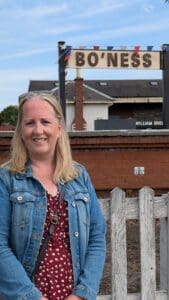
At Bo’Ness HR, I’ve partnered with oneHR software, which allows me to offer clients a simple, centralised platform for managing employee data, tracking absence, handling documents, and staying compliant. It not only saves time but also gives small businesses real-time visibility into their workforce.
I also use digital tools for communication and collaboration, such as with video calls and document sharing, which helps me stay responsive and flexible.
However, I am always mindful that technology is there to support, not replace the human element. I always ensure that personal connection, empathy, and tailored advice remain at the heart of what I offer.
What trends do you think will shape the future of work?
I believe flexibility will continue to evolve, with more hybrid and remote options becoming an expectation in business operations, and companies will need to adapt while still enhancing culture, communication, and performance. Technology, particularly AI and automation, will also keep reshaping how we work, but the human element must remain to ensure wellbeing and individual needs are met.
We’ll see a growing focus on employee wellbeing, engagement, belonging, and purpose. People want to feel valued and supported in their aspirations. Development and training will also need to evolve, with upskilling and reskilling becoming essential to keep pace with the demands of a rapidly changing, technology-driven environment.
What advice would you give to aspiring HR professionals looking to advance their careers?
My most important advice for aspiring HR professionals is to always remember HR is fundamentally about people, so developing strong communication skills and emotional intelligence is vital. The ability to listen well, communicate clearly, and respond with empathy is absolutely essential. Building trust, handling sensitive situations with care, and making people feel genuinely heard and supported with leave you with incredibly strong relationships throughout the business and will drive your long-term success. Remember, compassion is not a soft skill, it’s a strategic one.
Equally important is your drive to continuously improve and learn. HR is constantly evolving, and being proactive in developing your knowledge and keeping up to date with changes to employment legislation will give you a strong foundation. Also, keeping up to date with industry trends, not just in HR, but in the sector you’re working in, will provide you with a broader awareness, which will be key to you being an effective partner to the business.
What role does employer branding play in your talent acquisition strategy?
Employer branding is essential for attracting and retaining the right people. It is important for a business to consider the full employee experience, from recruitment and onboarding, through to development and retention. The employer brand should set them apart from other employers and demonstrate to the individual their core values and why they should work for them, such as initiatives to support wellbeing, value their people and support development.
How do you stay ahead and updated in the field of HR?
I regularly read HR publications, employment law updates and am a member of the CIPD and other networking groups. I also attend webinars, events and training sessions to make sure my knowledge is current.