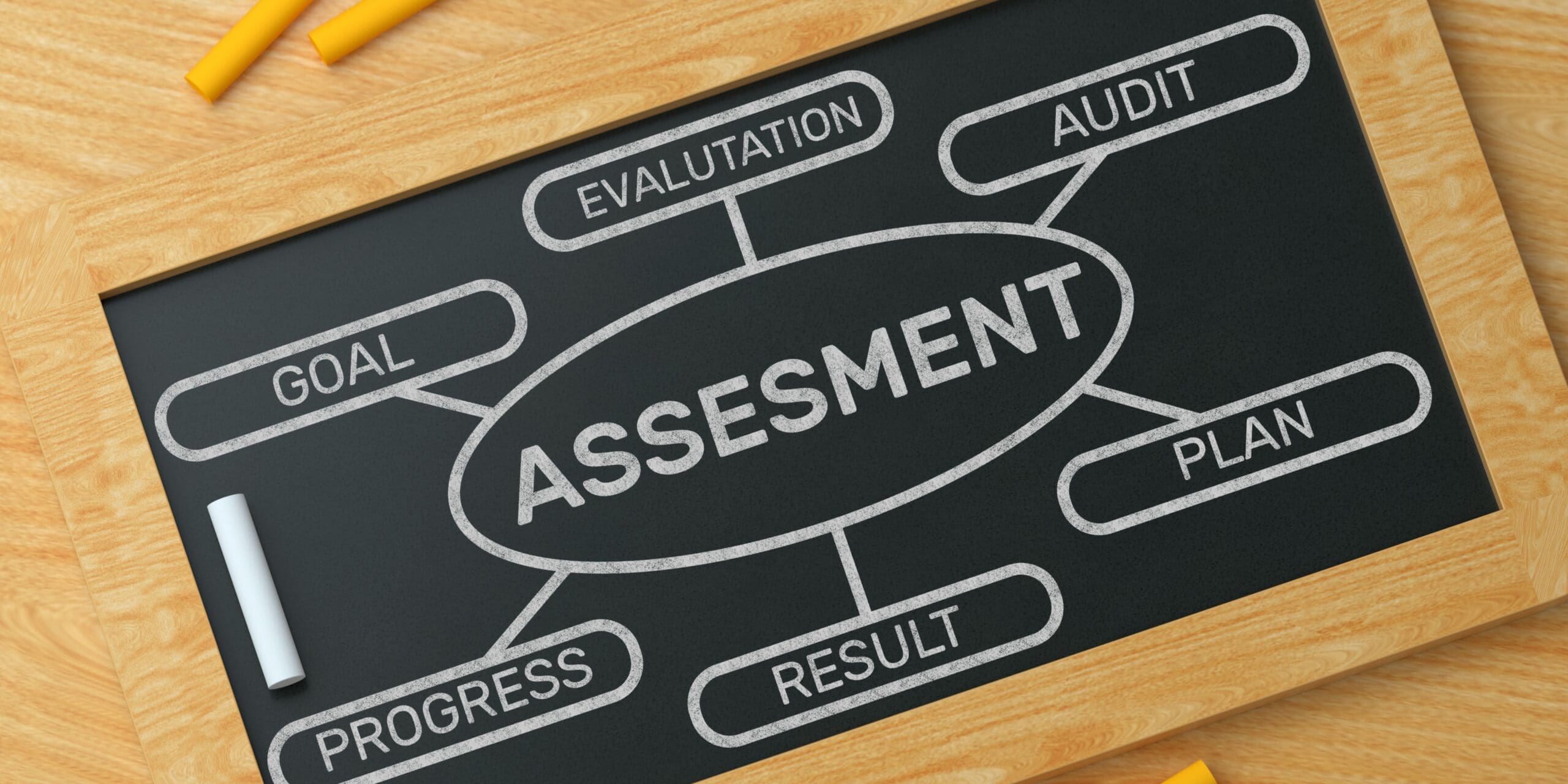
Assessment centres are a key part of the hiring process, allowing companies to evaluate candidates in a structured, unbiased environment. They provide a deeper assessment than traditional interviews, giving you the chance to showcase your skills, leadership potential, and cultural fit.
Why Assessment Centres Matter
- Comprehensive Evaluation: Test a broad range of skills and competencies.
- Predictive Validity: Research shows they reliably forecast job performance.
- Fairness & Standardisation: Standardised exercises reduce bias and ensure equity.
- Leadership Potential: Highlight problem-solving, teamwork, and leadership abilities.
- Cultural Fit: Demonstrate alignment with company values and objectives.
How to approach an Assessment Centre
- Understand the Format
-
- Research: Know the structure, types of exercises, and what to expect.
- Timings: Plan your energy and focus throughout the day.
- Virtual vs In-Person: Test technology and create a distraction-free space if online.
- Prepare Thoroughly
-
- Review the Role: Align your experience with job requirements.
- Practice Exercises: Rehearse group discussions, role-plays, in-tray/e-tray tasks, and psychometric tests.
- Know the Competencies: Understand behaviours being assessed, e.g. teamwork, decision-making, resilience.
- Showcase Your Skills
-
- Collaborate: Listen actively, contribute thoughtfully, and support teammates.
- Stay Calm: Keep composure in presentations and role-plays.
- Adaptability: Handle unexpected scenarios flexibly.
- Balance Participation: Speak up without dominating; encourage quieter voices.
- Show Leadership
-
- Initiate: Take the lead when appropriate.
- Problem-Solving: Analyse challenges, propose solutions, and evaluate outcomes.
- Decision-Making: Be decisive and explain your reasoning clearly.
- Mind Non-Verbal Communication
-
- Eye Contact: Convey confidence and engagement.
- Body Language: Maintain professional posture, use open gestures, and minimise fidgeting.
- Tone & Pace: Speak clearly and with energy, especially during presentations.
- Reflect and Learn
-
- Post-Assessment: Review your performance and identify strengths and areas for improvement.
- Seek Feedback: Use assessor insights to guide your development.
- Document Your Experience: Note what worked well and what you’d adjust next time.
Additional Tips for Success
- Active Listening: Respect others’ viewpoints and contribute constructively.
- Conflict Resolution: Handle disagreements diplomatically and collaboratively.
- Time Management: Prioritise tasks effectively during exercises.
- Self-Awareness: Understand your impact on group dynamics and adapt accordingly.
- Ask Clarifying Questions: Demonstrates initiative and attention to detail.
- Stay Positive: Reset after any missteps and focus on the next task.
Assessment centres can be challenging, but with preparation, authenticity, and confidence, you can make a strong impression, demonstrate your capabilities, and highlight your fit for the organisation.